Genetic and Behavioral Differences: Why Foxes Are Not 'Wild Dogs'
Despite belonging to the same Canidae family, foxes and dogs have significant biological and evolutionary differences rooted in their domestication history.
 🎓Education
Photo: UNIAN
Key points
- Foxes and dogs belong to the Canidae family but have different developmental histories
- Dogs can digest plant-based food, while foxes are strictly carnivorous
- Domestication radically alters the behavior and brain structure of animals
Although at first glance foxes and some dog breeds may seem similar, biologists emphasize deep differences between these animals. Both species belong to the Canidae family, yet their paths diverged thousands of years ago due to different ways of interacting with humans.
Evolution and Domestication
Dogs, descended from extinct gray wolf varieties, were domesticated approximately 14,000 years ago. Long-term selective breeding has led to the emergence of over 450 breeds adapted for cooperation with humans. Conversely, foxes have remained wild animals, whose appearance and physiology were shaped solely by natural environmental pressures.
Key Differences
- Diet: Foxes are strictly carnivorous, whereas dogs evolved as omnivores capable of digesting plant-based food.
- Behavior: Dogs have developed a unique ability to understand human signals, a result of millennia of close coexistence.
- Physiology: Foxes possess a specific paw structure allowing them to partially retract their claws, and a triangular muzzle shape, which is an adaptation for hunting.
Scientific research, including experiments on the domestication of silver foxes, confirms that selection based on friendliness toward humans changes not only behavior but also physical characteristics, bringing them closer to domestic pets.
Source UNIAN — unian.ua/curiosities/chim-lisici-vidriznyayutsya-vid-sobak-genetika… ↗
Read next
 👥Society
Combating invasive species: drones used in Hawaii to protect forests
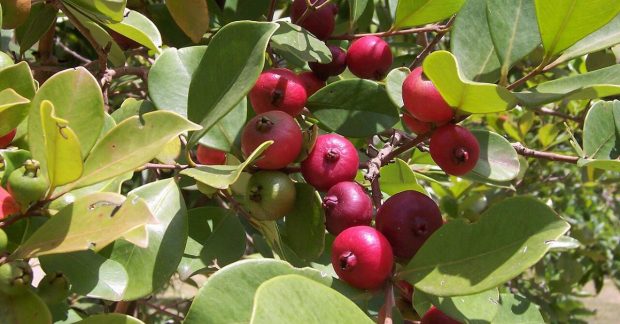
Scientists in Hawaii have deployed drones to distribute insects that help control the spread of the invasive Strawberry Guava.
 🛡️Security
Fire Point reveals technical differences between FP-7 and FP-9 ballistic missiles
The weapon developer Fire Point explained the differences between its ballistic projects, which serve different tactical purposes.
 🛡️Security
Ukraine and Norway to Scale Up Production of DESNA Air Defense Systems
The Ukrainian Ministry of Defense has announced plans to increase the production of DESNA air defense launchers in partnership with Norway.
 🛡️Security
Rare photo of the experimental 'Object 477A1' tank released online
An archival image of the top-secret Ukrainian 'Nota' tank, which began development in the early 1990s, has surfaced on the internet.
 🛡️Security
Court upholds detention for Valentina Molodaya: details of the incident near Kyiv
The Kyiv Court of Appeal rejected the defense's appeal and upheld the detention of a woman suspected of obstructing the activities of the Armed Forces of Ukraine.
 👥Society
How to Bake Perfect Sweet Potatoes: Secrets to a Crispy Crust and Tender Inside
Nutritious and affordable sweet potatoes are becoming increasingly popular in home kitchens. Simple culinary tips will help you bake this root vegetable so it stays juicy…