Indoor Plant Care: How to Properly Fertilize Begonias for Lush Blooms
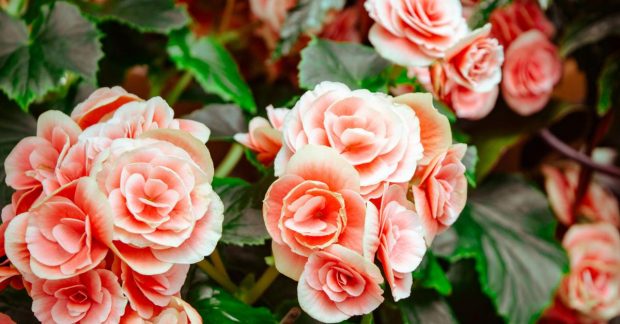
Experts shared recommendations on caring for indoor begonias, including choosing the right fertilizers and application frequency.
 🎓Education
Photo: UNIAN
Key points
- Begonia fertilizer needs change depending on its growth phase
- Nitrogen supports foliage, while phosphorus and potassium drive blooms
- Always apply fertilizers to pre-moistened soil to protect roots
- Fertilization stops completely during the plant's dormant period
Indoor plants require consistent attention, particularly during their active growth and blooming phases. Due to the limited soil volume in pots, essential nutrients tend to deplete quickly, leaving plants undernourished. Without timely feeding, begonias lack the energy required to produce abundant buds, making proper fertilizer management essential for owners.
Choosing Nutrients Based on Growth Stages
There is no single universal fertilizer for begonias, as requirements shift depending on the growth stage. When the plant begins developing green foliage after its winter dormancy, a balanced fertilizer containing equal parts of nitrogen, phosphorus, and potassium is recommended to support steady root and leaf growth.
Once flowering begins, the approach changes: nitrogen is removed from the mix since it promotes foliage instead of blossoms. Instead, the focus shifts to phosphorus and potassium, which supply energy for flower buds and enhance overall resilience. Crucially, fertilizers should always be applied to damp soil following a preliminary watering to prevent root burn.
Application Frequency and Organic Alternatives
Liquid fertilizers are generally preferred for indoor varieties because roots absorb them almost immediately. The standard recommendation is to feed the plants every 10 to 14 days until flowering ends. For exceptionally lush blooms, weekly feeding is possible provided the concentration is diluted four times more than the manufacturer suggests.
Organic alternatives such as bone meal, seaweed extract, wood ash, or compost can also support vibrant flowering. Once the blossoms fade, begonias enter a period of dormancy, and all fertilization is paused until the next blooming cycle begins.
Source UNIAN — unian.ua/lite/advice/chem-podkormit-begoniyu-dlya-cveteniya-polezno… ↗
Read next
 👥Society
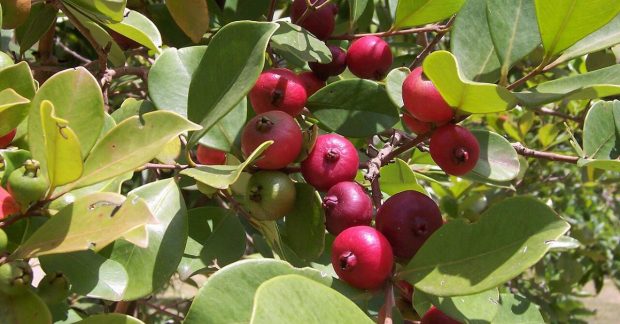
Combating invasive species: drones used in Hawaii to protect forests
Scientists in Hawaii have deployed drones to distribute insects that help control the spread of the invasive Strawberry Guava.
 🛡️Security
Fire Point reveals technical differences between FP-7 and FP-9 ballistic missiles
The weapon developer Fire Point explained the differences between its ballistic projects, which serve different tactical purposes.
 🛡️Security
Ukraine and Norway to Scale Up Production of DESNA Air Defense Systems
The Ukrainian Ministry of Defense has announced plans to increase the production of DESNA air defense launchers in partnership with Norway.
 🛡️Security
Rare photo of the experimental 'Object 477A1' tank released online
An archival image of the top-secret Ukrainian 'Nota' tank, which began development in the early 1990s, has surfaced on the internet.
 🛡️Security
Court upholds detention for Valentina Molodaya: details of the incident near Kyiv
The Kyiv Court of Appeal rejected the defense's appeal and upheld the detention of a woman suspected of obstructing the activities of the Armed Forces of Ukraine.
 👥Society
How to Bake Perfect Sweet Potatoes: Secrets to a Crispy Crust and Tender Inside
Nutritious and affordable sweet potatoes are becoming increasingly popular in home kitchens. Simple culinary tips will help you bake this root vegetable so it stays juicy…