US Pentagon Delays Approval for Patriot Missile Transfer to Ukraine, Reports FT
The US Department of Defense has not yet issued final approval for the transfer of roughly 60 Patriot interceptor missiles to Ukraine, despite prior agreements. The delay severely impacts the country's air defense capabilities against ballistic threats.
 🏛️Politics
Photo: AutoGN politics · Політика Україна
Key points
- Pentagon holds back approval for 60 Patriot missiles (PAC-2 and PAC-3).
- US deliveries of Patriot interceptors to Ukraine dropped 3 to 4 times.
- Poland halts funding for US arms purchases for Ukraine under the PURL program.
The transfer of critical air defense weaponry to Ukraine has encountered another bureaucratic delay in the United States. According to the Financial Times, US Defense Secretary Pete Hegseth has not yet granted final authorization to dispatch approximately 60 interceptor missiles for Patriot systems. The shipment includes PAC-2 and PAC-3 variants, some of which are currently stored in European warehouses and funded by Western allies.
Causes of the Delay and Supply Volumes
Because the munitions are manufactured in the US, Washington must formally clear their export and re-export. Reports indicate that about 40 PAC-3 missiles scheduled for delivery between September and December remain unapproved. An additional 20 PAC-2 missiles are also awaiting final transfer permits. Alongside the hold on ready-made munitions, the Pentagon has stalled an initiative that would grant Ukraine permission to produce its own Patriot interceptors locally.
A spokesperson for the US Department of Defense maintained that Washington's overall support policy toward Kyiv remains unchanged. The official emphasized ongoing transatlantic industrial collaboration with European partners and Ukraine to strengthen air defense infrastructure.
Ukrainian Response and Partner Dynamics
The reduction in defense supplies has already impacted Ukraine's operational capabilities. President Volodymyr Zelenskyy noted that missile deliveries from the US have dropped three to four-fold, down from a previous average of around 12 missiles per month. To mitigate the shortage, Kyiv proposed a missile swap mechanism: receiving available stockpiles immediately while transferring newly manufactured missiles ordered for future delivery back to allies.
Logistical pressures are further complicated by regional allies. Polish Prime Minister Donald Tusk announced that Warsaw will no longer fund US arms purchases for Ukraine under the PURL program, citing high domestic defense spending and budget deficit constraints.
Read next
 👥Society
Combating invasive species: drones used in Hawaii to protect forests
Scientists in Hawaii have deployed drones to distribute insects that help control the spread of the invasive Strawberry Guava.
 🛡️Security
Fire Point reveals technical differences between FP-7 and FP-9 ballistic missiles
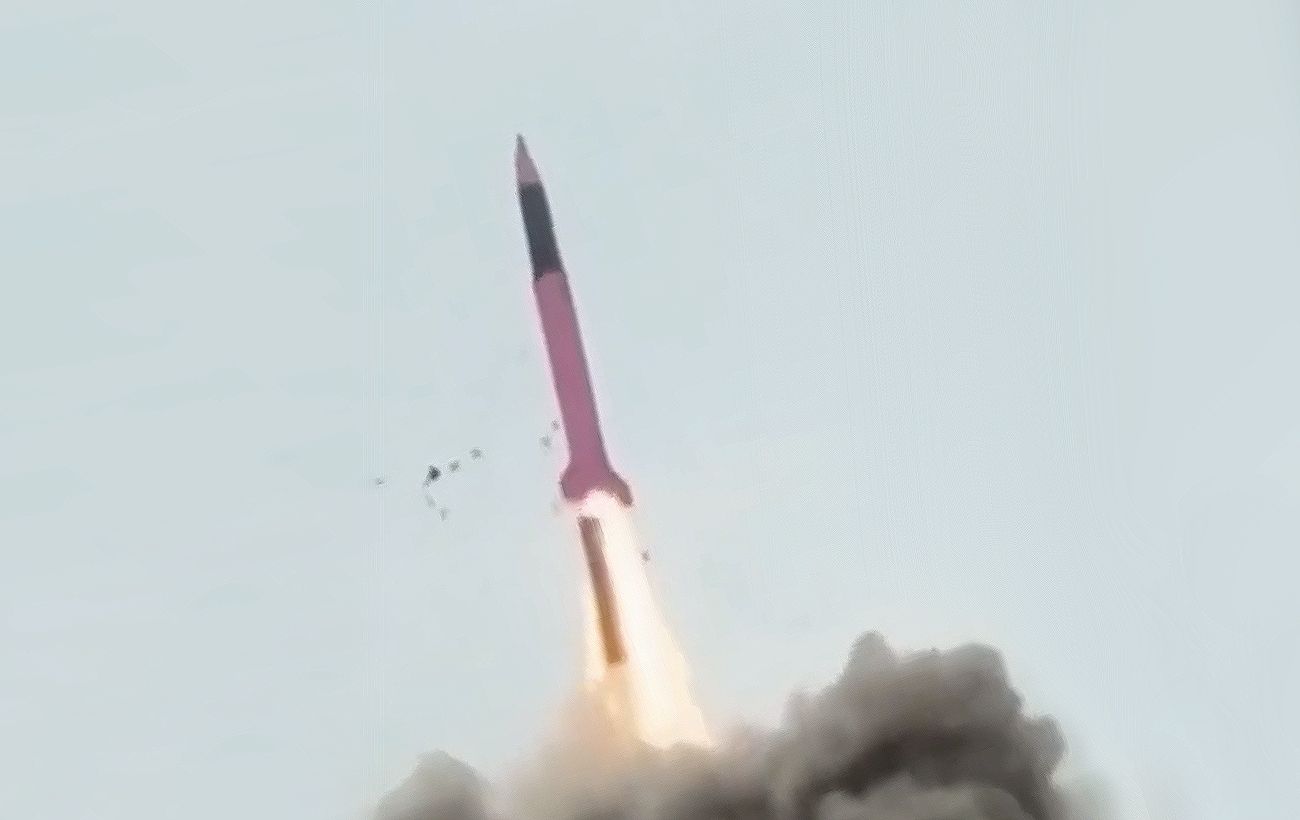
The weapon developer Fire Point explained the differences between its ballistic projects, which serve different tactical purposes.
 🛡️Security
Ukraine and Norway to Scale Up Production of DESNA Air Defense Systems
The Ukrainian Ministry of Defense has announced plans to increase the production of DESNA air defense launchers in partnership with Norway.
 🛡️Security
Rare photo of the experimental 'Object 477A1' tank released online
An archival image of the top-secret Ukrainian 'Nota' tank, which began development in the early 1990s, has surfaced on the internet.
 🛡️Security
Court upholds detention for Valentina Molodaya: details of the incident near Kyiv
The Kyiv Court of Appeal rejected the defense's appeal and upheld the detention of a woman suspected of obstructing the activities of the Armed Forces of Ukraine.
 👥Society
How to Bake Perfect Sweet Potatoes: Secrets to a Crispy Crust and Tender Inside
Nutritious and affordable sweet potatoes are becoming increasingly popular in home kitchens. Simple culinary tips will help you bake this root vegetable so it stays juicy…