How to Properly Store Eggs in the Fridge: Expert Advice
Culinary experts explain why the common habit of storing eggs on the refrigerator door is a mistake that shortens their shelf life.
 👥Society
Photo: UNIAN
Key points
- The refrigerator door is the worst place for storage due to temperature swings and vibration.
- The optimal temperature for eggs is 4–5 degrees deep inside the chamber.
- Eggs should remain in their cardboard carton and not be washed before refrigeration.
The issue of proper food storage is a daily concern for every household, especially when it comes to maintaining the freshness and safety of basic ingredients. Traditionally, many consumers are accustomed to placing chicken eggs in the special slots on the side door of their appliance, as manufacturers often design them precisely this way. However, specialists warn that this approach is flawed and significantly increases the risk of premature spoilage.
Why the Door is the Worst Spot
The main reason not to use the side shelves is the constant temperature fluctuation. Due to the regular opening and closing of the refrigerator, the air there warms up faster than inside the main compartment. Additionally, continuous vibration from moving the door can damage the fragile shell or cause micro-cracks. Experts emphasize that under such conditions, eggs can spoil long before the expiration dates printed on the factory packaging.
- The best place to preserve freshness is the back of the main shelf near the wall, where the temperature remains stable at 4–5 degrees Celsius.
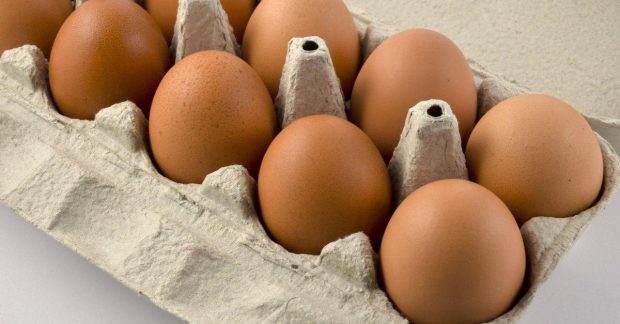
- It is recommended to keep the product in its original cardboard carton, which protects the porous shell from absorbing foreign odors.
- Raw eggs should be stored unwashed, as the natural protective coating prevents bacteria from entering.
According to food technologists, fresh raw eggs are safe to consume for three to five weeks when properly stored. Meanwhile, hard-boiled eggs in their shells should be eaten within five days. Following these simple guidelines will help residents of Pokrov avoid foodborne illnesses and preserve the nutritional quality of products in their home kitchens.
Source UNIAN — unian.ua/lite/advice/kak-hranit-yayca-v-holodilnike-gde-i-na-skolko… ↗
Read next
 🛡️Security
Fire Point reveals technical differences between FP-7 and FP-9 ballistic missiles
The weapon developer Fire Point explained the differences between its ballistic projects, which serve different tactical purposes.
 🛡️Security
Ukraine and Norway to Scale Up Production of DESNA Air Defense Systems
The Ukrainian Ministry of Defense has announced plans to increase the production of DESNA air defense launchers in partnership with Norway.
 🛡️Security
Rare photo of the experimental 'Object 477A1' tank released online
An archival image of the top-secret Ukrainian 'Nota' tank, which began development in the early 1990s, has surfaced on the internet.
 🛡️Security
Court upholds detention for Valentina Molodaya: details of the incident near Kyiv
The Kyiv Court of Appeal rejected the defense's appeal and upheld the detention of a woman suspected of obstructing the activities of the Armed Forces of Ukraine.
 🏛️Politics
EU to Discuss Financial Support Strategy for Ukraine for 2027 and Beyond
EU leaders will gather in Brussels to discuss the long-term budget and mechanisms for supporting Ukraine.
 💡Tech
Why your new TV looks worse at home: 5 settings to improve picture quality
New TVs often underperform at home due to factory retail settings. Experts share how to adjust your device to get the high-quality picture you paid for.