Passenger Psychology: Why Pokrov Residents Subconsciously Choose Seats Away from Others
Experts explain that the tendency of passengers to occupy distant seats in public transport is linked to a need for safety, personal space, and childhood habits.
 🚌Transport
Photo: UNIAN
Key points
- Choosing distant seats indicates a need for personal space and control.
- Behavior is often rooted in childhood habits and primal territorial instincts.
- Distancing in transport helps reduce passenger stress and anxiety.
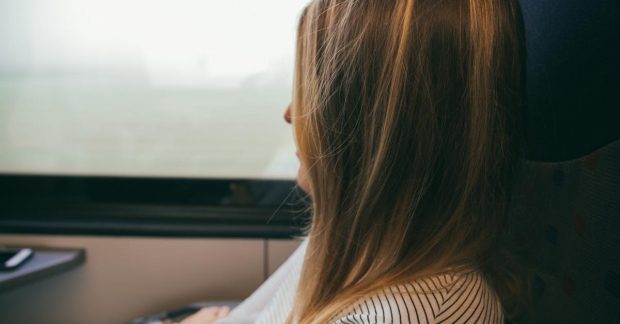
Daily commutes in Pokrov's public transport are more than just a way to get around the city; they offer a fascinating look into human behavior. You have likely noticed that most passengers, when entering a half-empty bus or minibus, try to sit as far away from others as possible. Psychologists suggest that this choice is not random but is driven by deep personality traits and subconscious instincts that help manage stress in public places.
Seeking Comfort and Personal Space
According to psychological research, choosing a remote seat is often characteristic of introverts and individuals with a well-developed sense of order. Sitting in the middle of the cabin or directly next to strangers creates a subconscious feeling of being "exposed," as if one is the center of attention. In contrast, corners or seats at the back allow for privacy without total isolation. This enables a passenger to feel more relaxed, allowing them to change positions or lean back without intruding on others' boundaries.
Beyond introversion, this behavior is also explained by long-standing habits. We often choose a specific spot due to momentum formed in childhood, when every family member had their own place at the table or on the sofa. Consistently choosing the same zone gives a person a sense of stability and control over the situation, which serves as an important marker of individuality.
Territorial Instinct and Safety
Scientists also point to a primal instinct to protect one's territory. When we occupy a vacant seat far from the crowd, we subconsciously mark that space as part of our "home." Such demarcation significantly reduces anxiety levels because the brain receives a signal that the environment is safe. This is particularly relevant in the hustle and bustle of urban life, where personal space is frequently invaded.
However, experts warn against jumping to conclusions. While this behavior is typical for methodical people, it should not be used as a basis for psychological diagnoses. It is merely one of the mechanisms the psyche uses to adapt to a social environment, helping to maintain inner balance during routine city trips.
Source UNIAN — unian.ua/curiosities/chomu-lyudi-sidayut-podali-vid-inshih-shcho-ps… ↗
Read next
 👥Society
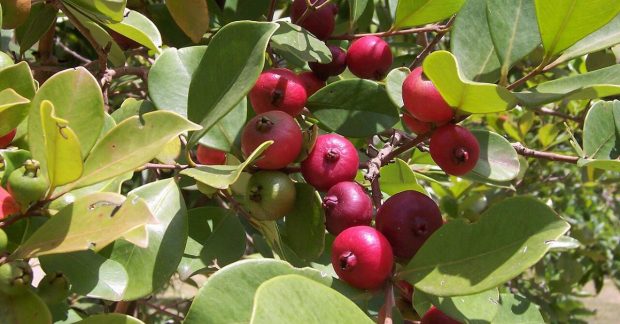
Combating invasive species: drones used in Hawaii to protect forests
Scientists in Hawaii have deployed drones to distribute insects that help control the spread of the invasive Strawberry Guava.
 🛡️Security
Fire Point reveals technical differences between FP-7 and FP-9 ballistic missiles
The weapon developer Fire Point explained the differences between its ballistic projects, which serve different tactical purposes.
 🛡️Security
Ukraine and Norway to Scale Up Production of DESNA Air Defense Systems
The Ukrainian Ministry of Defense has announced plans to increase the production of DESNA air defense launchers in partnership with Norway.
 🛡️Security
Rare photo of the experimental 'Object 477A1' tank released online
An archival image of the top-secret Ukrainian 'Nota' tank, which began development in the early 1990s, has surfaced on the internet.
 🛡️Security
Court upholds detention for Valentina Molodaya: details of the incident near Kyiv
The Kyiv Court of Appeal rejected the defense's appeal and upheld the detention of a woman suspected of obstructing the activities of the Armed Forces of Ukraine.
 👥Society
How to Bake Perfect Sweet Potatoes: Secrets to a Crispy Crust and Tender Inside
Nutritious and affordable sweet potatoes are becoming increasingly popular in home kitchens. Simple culinary tips will help you bake this root vegetable so it stays juicy…