Russian Submarines Deployed in Black Sea for Missile Strikes: Navy Analysis
The Russian Black Sea Fleet activated submarines for Kalibr missile launches after a six-month hiatus, driven by technical requirements for submerged firing.
 🚌Transport
Photo: UNIAN
Key points
- Russian submarines left Novorossiysk for the first time in six months for missile launches.
- Submarines must leave the harbor and submerge to launch Kalibr missiles.
- The Black Sea Fleet remains effectively 'locked' in the region due to Ukrainian defense efforts.
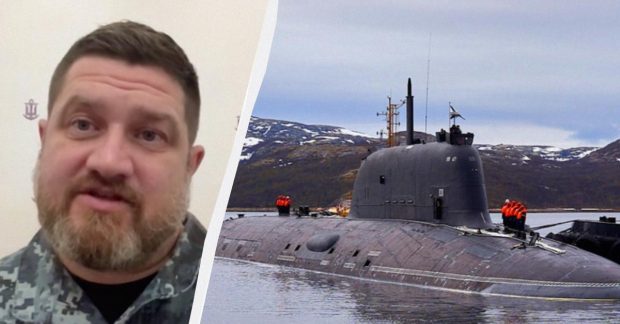
During the recent large-scale coordinated attack on Ukraine, the Russian military command deployed submarines from the Black Sea Fleet. This marked the first time in six months that these vessels left their base in Novorossiysk to perform combat missions. Dmytro Pletenchuk, the spokesperson for the Ukrainian Navy, provided insights into this tactical shift during a national broadcast.
Technical Necessity and Tactical Maneuvers
According to the Navy spokesperson, the decision to send submarines into the open sea was driven by technical requirements. Unlike surface ships, which can launch Kalibr cruise missiles directly from within the safety of the harbor, submarines must submerge to initiate a launch. To achieve the necessary depth and positioning, the enemy was forced to move them outside the protected Novorossiysk bay.
Pletenchuk noted that the Russian forces attempted to mobilize all available and functional assets for this strike.
"They brought to battle, probably, everything that could more or less work,"he stated, highlighting the intensity of the operation and the enemy's desire to maximize the impact of the missile barrage.
Current State of the Black Sea Fleet
Despite the renewed use of subsurface missile carriers, the overall strategic position of the Russian fleet remains precarious. Ukrainian defense operations have effectively restricted the fleet's freedom of movement, leaving it "locked" within specific areas of the Black Sea. Due to the constant threat of maritime drone attacks and other countermeasures, surface missile carriers have been deployed much less frequently than in the early stages of the conflict.
Over the past six months, surface vessels have been used for launches no more than three times a month, often staying close to their bases. During this latest operation, the total number of sea-based Kalibr missiles launched exceeded 20 units. Pletenchuk further explained that the prolonged absence of submarines was due to the high risk of detection and destruction, but the scale of the planned attack forced the Russian command to take this risk.
Source UNIAN — unian.ua/war/rosiyski-pidvodni-chovni-vpershe-za-piv-roku-viyshli-v… ↗
Read next
 👥Society
Combating invasive species: drones used in Hawaii to protect forests
Scientists in Hawaii have deployed drones to distribute insects that help control the spread of the invasive Strawberry Guava.
 🛡️Security
Fire Point reveals technical differences between FP-7 and FP-9 ballistic missiles
The weapon developer Fire Point explained the differences between its ballistic projects, which serve different tactical purposes.
 🛡️Security
Ukraine and Norway to Scale Up Production of DESNA Air Defense Systems
The Ukrainian Ministry of Defense has announced plans to increase the production of DESNA air defense launchers in partnership with Norway.
 🛡️Security
Rare photo of the experimental 'Object 477A1' tank released online
An archival image of the top-secret Ukrainian 'Nota' tank, which began development in the early 1990s, has surfaced on the internet.
 🛡️Security
Court upholds detention for Valentina Molodaya: details of the incident near Kyiv
The Kyiv Court of Appeal rejected the defense's appeal and upheld the detention of a woman suspected of obstructing the activities of the Armed Forces of Ukraine.
 👥Society
How to Bake Perfect Sweet Potatoes: Secrets to a Crispy Crust and Tender Inside
Nutritious and affordable sweet potatoes are becoming increasingly popular in home kitchens. Simple culinary tips will help you bake this root vegetable so it stays juicy…